The kitchen is often called the heart of the home, and for good reason—it’s where memories are made, meals are cooked, and life happens. But let's be honest: sometimes, the heart gets a little clogged. Over time, the glorious, lived-in patina of kitchen life accumulates grime, grease, and stains that seem to defy normal scrubbing. This isn't just about aesthetics; accumulated grime can signal deeper cleaning needs, impacting both hygiene and the longevity of your appliances. If you’ve ever stared into a grease-caked range hood and thought, "Is this permanent?", you are not alone. Finding the right deep cleaning solution for accumulated kitchen grime can feel like searching for a mythical cleaning potion. This comprehensive guide will empower you to understand what makes a truly effective solution, how to use it safely, and what to expect when you finally tackle those tough spots.
Understanding the Enemy: What is Accumulated Kitchen Grime?
Before we can defeat the enemy, we must identify it. Kitchen grime is not a single substance; it is a complex cocktail of organic and inorganic materials. Understanding its composition helps you select a product that is strong enough to do the job without being overkill.

The Science of Kitchen Build-Up
Most people think grime is just "dirt," but it’s far more sophisticated. It’s a sticky emulsion of fats, sugars, proteins, mineral deposits (from hard water), and polymerized oils.
- Grease and Fats: These are the most visible culprits, coating stovetops and ventilation systems. They are lipid-based and require degreasers. Mineral Deposits (Hard Water Scale): These calcium and magnesium buildup are notorious for staining kettles and coffee makers, giving everything a crusty, chalky look. Protein Residue: Scum from cooked foods, dried egg spills, and splatter are protein-based and require enzymes or strong alkaline cleaners.
Knowing that grease is a fat, and scale is mineral, means that a single, all-purpose cleaner might only address half the problem. This is where selecting the perfect deep cleaning solution for accumulated kitchen grime becomes crucial.
Navigating the Arsenal: Selecting the Right Cleaning Chemistry
The sheer volume of cleaning products on the market can be overwhelming. Should you reach for bleach, baking soda, or a specialized enzymatic spray? The answer lies in matching the chemical composition of the grime to the chemistry of the cleaner.
Chemical Categories for Tough Grime
Most effective cleaners fall into one of three chemical categories: acidic, alkaline, or enzymatic.
- Alkaline Cleaners (High pH): These are your grease fighters. They utilize bases (like sodium hydroxide or potassium carbonate) to saponify fats—meaning they turn greasy substances into soap, which can then be rinsed away. These are essential for stovetops and range hoods. Acidic Cleaners (Low pH): These are masters of mineral deposits. Acids (like vinegar or citric acid) react with calcium carbonate and magnesium, dissolving the scale and leaving behind shining surfaces. Think of them as the ultimate plaque removers. Enzymatic Cleaners: These are the gentle heavy hitters. They contain specialized enzymes that break down organic matter—things like pet messes, dried food, and protein buildup—at a molecular level. They are excellent for sink drains and grout.
"Cleaning is not just about making things sparkle; it's about restoring function and peace of mind." – A seasoned cleaner, who has seen it all.
The Golden Rule of Cleaning Safety
Never mix acidic and alkaline cleaners. The chemical reaction can be unpredictable and potentially dangerous. Always follow the manufacturer's instructions, and when in doubt, dilute the product or use a mild soap and water solution first.
Deep Cleaning Zones: Where Grime Loves to Hide
A comprehensive clean requires tackling specific, notorious zones. No single product can be a miracle cure for everything; you need a targeted approach.
Tackling the Range Hood and Exhaust Filters
This area is often the grime epicenter. Grease buildup here is thick, sticky, and often carbonized.
- The Method: These filters require a soak. Use a strong alkaline degreaser (like those designed for kitchen ventilation) and let it sit for the recommended time. Do not scrub dry grease; let the chemistry do the heavy lifting. Pro Tip: Wear gloves! Grease stains are tenacious, and your hands deserve a break.
Restoring the Sink and Disposal Area
Sinks often suffer from a combination of mineral buildup (from water) and organic residue (from food scraps).
- The Strategy: Start with an enzymatic cleaner to break down the food waste, followed by a mild acidic rinse (like a vinegar solution) to dissolve any water spots or mineral rings left on the porcelain or stainless steel. Anecdote: I once saw a homeowner panic because their sink looked "yellowed." It wasn't actual yellowing; it was soap scum and mineral deposits, which a simple vinegar soak brought back to life, proving that sometimes, the simplest solution is the most dramatic.
Dealing with Backsplashes and Grout
Backsplashes, especially those with natural stone or porous tile, absorb stains like they are sponges.
- The Solution: For general soap scum, a mild acidic cleaner works wonders. For deep, set-in stains (like turmeric or wine), consider a specialized poultice cleaner, which draws the stain out of the porous material.
Maximizing Your Clean: Best Practices for Maintenance
A powerful deep cleaning solution for accumulated kitchen grime is a one-time event. The key to keeping your kitchen sparkling is establishing a routine.
Daily Habits for Stain Prevention
A few minutes of preventative care can save you https://connersqbo439.bearsfanteamshop.com/breathe-easier-expert-deep-commercial-rangehood-cleaning-inner-west-sydney hours of deep cleaning later.
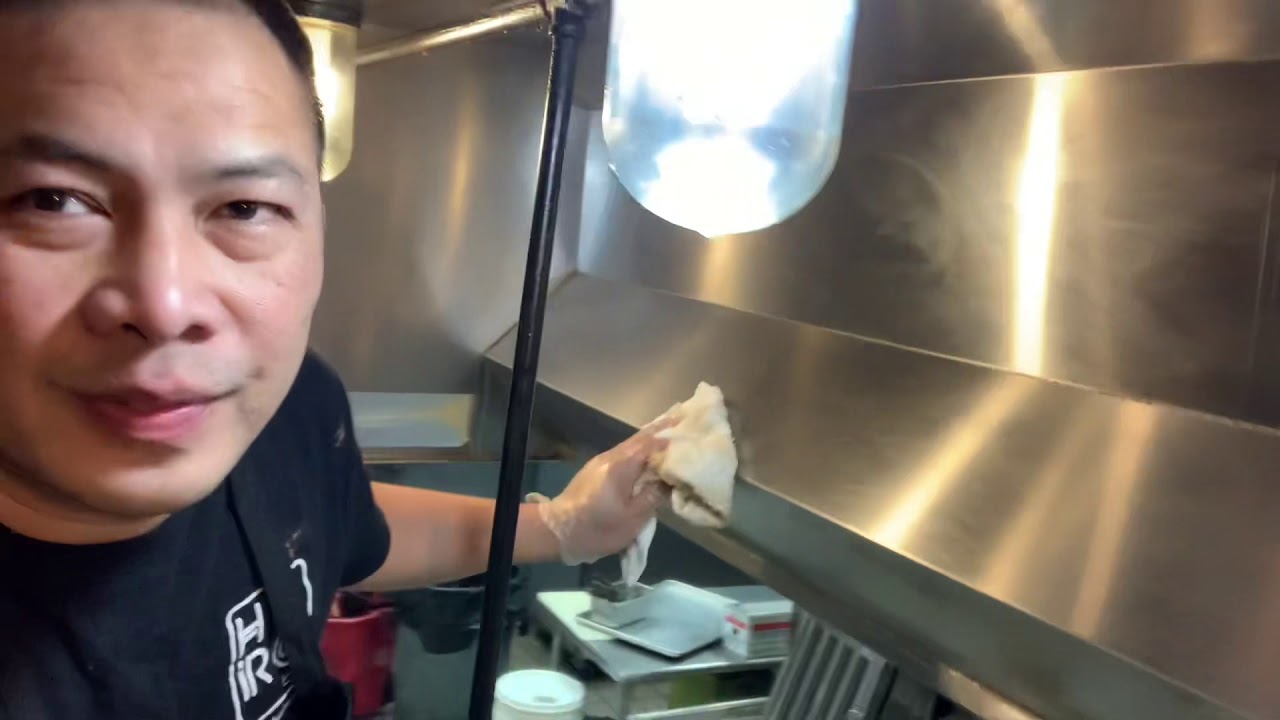
- Wipe Down Surfaces: After every major cooking session, wipe down counters and stovetops with a degreasing spray. Immediate Cleanup: Never leave food scraps to dry in the sink. Rinse and soak them immediately. Ventilation: Always use your range hood fan, even if you are only simmering, to pull grease-laden steam away from your kitchen.
Making Your Selection Count
When you are ready to buy your cleaning supplies, remember that the best product is the one that is safe, effective, and appropriate for the surface you are cleaning. Look for specialized products rather than generic "all-purpose" solutions, particularly when dealing with tough grease or scale.
Are you willing to compromise on effectiveness just because a product smells nice? Doesn't your kitchen deserve to feel as clean as the day you moved in?
By understanding the chemistry of the grime and the power of different cleaning agents, you can transform the daunting task of cleaning into a manageable, satisfying ritual. Invest time and thought into selecting the right deep cleaning solution for accumulated kitchen grime, and your kitchen will feel renewed—a true testament to the power of elbow grease and smart chemistry.